
Aromatherapy: The popularity of Aromatherapy has continued to increase through the ages as more individuals seek natural methods of relaxation, stress relief and support for their health and wellness. This form of holistic therapy is a way in which we can use plant-based oils to facilitate comfortable and uplifting effects through aromatic-based therapies on both the body and mind. Although most people think about aromatherapy for its lovely scents or in association with spa therapy; aromatherapy is much older than most people give it credit for. Aromatherapy has been used by many cultures for thousands of years to enhance rituals and provide healing through the use of aromatic oils or other natural elements which existed long before the modern world started utilizing these Ancient techniques as a trend today.
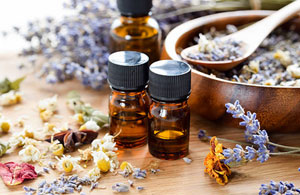
Aromatherapy, a holistic approach to health and wellness that utilises essential oils (the most common types are lavender, peppermint, eucalyptus, citrus), began in the early 20th century. Although there are many different types of essential oils, they all have their own specific properties and benefits. For example, lavender is commonly associated with relaxation and sleep; peppermint is known to invigorate and cause refreshment; eucalyptus is often referred to as a ‘cold remedy’ because of its effectiveness in bringing relief during the winter months; while orange and lemon essential oils are used to uplift mood and provide mental clarity. Essential oils are derived from concentrated extracts of various plants using one of two basic methods: steam distillation or cold pressing. Both methods retain the natural aroma and components (i.e., chemical compounds) of the plant and can provide therapeutic effects when inhaled, ingested (when safe), absorbed through the skin, or used in conjunction with other ingredients.
Many people use aromatherapy at home because it is an easy way to incorporate aromatherapy into their everyday life. In many cases, essential oil diffusers are used to disperse the scent of essential oil into the air, therefore providing a soothing and relaxing environment. It is also common for individuals to add a few drops of their favourite essential oil to warm water when soaking in the tub after a hard day’s work, or to mix an essential oil with a carrier oil to make a massage oil. In addition to all of the mentioned methods, candles, pillow mists, and room mists are popular for enjoying aromatherapy without having to have special equipment. Aromatherapy is appealing to individuals primarily because of its versatility and adaptability.
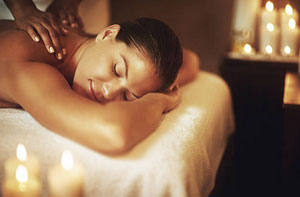
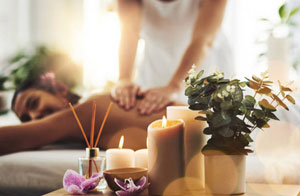
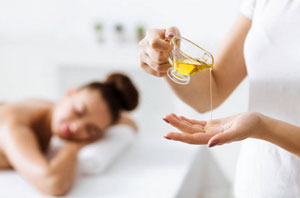
Essential oils and carrier oils such as almond, coconut, or jojoba are often used for both aromatherapy and massage therapy. The combination of the two therapies provides a unique and relaxing experience that includes both physical touch and scent. A massage helps to relieve the tension held in the muscle, and the scent from the essential oils has a calming effect both mentally and physically. Many spas and wellness centres are now providing aromatherapy services as an alternative therapy for individuals suffering from stress, fatigue, or just the day-to-day pressures of life.
A significant reason that people utilize aromatherapy is due to its benefits in helping to relieve stress and anxiety. With the rapid pace of modern life and the high demands from jobs, family responsibilities, and all the time spent staring at screens, many people suffer from poor mental health. Certain scents tend to bring a sense of relaxation and stability and help you feel like you have a few minutes to yourself to unwind and/or turn off your brain. Popular scents for relaxation are lavender, chamomile, bergamot, and sandalwood. Aromatherapy can complement other forms of self-care, but should not be used in lieu of professional medical treatment where appropriate.
Another area where aromatherapy is prevalent is sleep support. Inadequate sleep affects concentration, mood, and health; therefore, many individuals look for gentler methods for improving their pre-bedtime routine. Common essential oils used prior to sleep are lavender, cedarwood, and ylang ylang; these oils help create a relaxing environment. There are many ways to use these essential oils before bed with pillows and diffusers. A tranquil setting can help relax before falling asleep, especially if you have difficulty turning off at night.

While some people associate aromatherapy primarily with relaxation, many aromatherapists recommend specific essential oils to increase energy levels and refresh tired emotions. Some commonly used daytime essential oils to stimulate the mind are peppermint, rosemary, grapefruit, and lemon. In workplaces, fitness centres, and yoga studios, these scents are frequently used to provide an uplifting and invigorating environment. In addition, many individuals choose to use aromatherapy when they participate in meditation or mindfulness as certain essential oil fragrances have a positive effect on their ability to remain focused and present.
The safety of using aromatherapy products is paramount due to the concentrated nature of essential oils. Therefore, it is recommended that you dilute oils before applying them to your skin, as well as avoid using some oils altogether if you are pregnant, a child, or have certain medical conditions. It is also important not to use essential oils excessively, as high concentrations may result in irritation or discomfort on the skin; however, Othake aromatherapists are trained to recognize the various ways oil works, how to mix them safely together, and which oils may work best for you based on your individual needs/preferences.
Most professional aromatherapists will create unique blends for their clients according to the client's individual needs, wants, or both. A client may want to relax after a difficult day at work, while another client may want something that energizes and uplifts them. A consultation may be used to discuss a client's lifestyle habits, emotional health, and sleep habits, as well as any other preferences the client may have that will help determine which oils might be best suited for use in a personal treatment. Many people find the individualized nature of aromatherapy appealing because the treatment often feels like an individual treatment rather than something that is generally applicable to everyone. Additionally, aromatherapy practitioners have an understanding of all the ways that scents can impact moods and environments, even in subtle but significant ways.
The interest in using more natural means to promote one's well-being through different types of activities continues to increase; thus, it should not be surprising that many people continue to use aromatherapy for the purpose of enjoying peaceful times or balancing out their lives on a continual basis. The use of aromatherapy can be provided via massage, using a diffuser, adding essential oils to a bath, or lighting an essential oil candle as ways of adding calming aromas and rituals into the course of a person's daily activities. Even though aromatherapy is not a "cure" for any medical problems, many individuals appreciate both the comfort and overall relaxation that come from utilizing aromatherapy, as well as enjoying using these beautiful aromas within their daily lifestyles — strongly demonstrated from past to present through the various cultures of this planet that utilize aromatherapy as part of their overall wellness practices.
Aromatherapy Services
- Crystal Healing
- Traditional Thai Massage
- Chinese Facial Massage
- Aromatherapy for Pain Relief
- Sports Massage
- Indian Head Massage
- Hot Stone Massage
- Aromatherapy Massage
- Aromatherapy for Depression
- Aromatherapy Facial Massage
- Hopi Ear Candling
- Aromatherapy Treatments
- Aromatherapy for Anxiety
- Detox Massage
 Aromatherapy
Aromatherapist Near Me
Aromatherapists
Aromatherapy
Aromatherapist Near Me
AromatherapistsTOP - Aromatherapy - Sports Massage
Sports Massage - Chinese Facial Massage - Indian Head Massage - Crysta Healing - BR1 - Alternative Healing - 020 - Hopi Ear Candling - Aromatherapy